
BATCH 9 - With the Trust of More Than 1500 Learners
Professional Certificate Programme in Agentic AI and Applications
- The only applied Agentic AI course in India that teaches RLHF
- Choice of Dual Track Specialisations
- Domain Expert-Led Teaching
- Weekly live IITMP Lead Faculty masterclasses
- Technology Specialisation: Advanced Agentic AI Engineering
- Business Specialisation: Agentic AI Strategy and Enterprise Workflows
Avail this Benefit of Invalid liquid databefore the Last Enrolment Deadline of Invalid liquid data
Invalid liquid data (Applicable Taxes will be charged at checkout)
What You Will Learn
Build Intelligent Agents from Square One
Go from Python fundamentals through LLMs, prompting, and embeddings to designing and building your first working AI agent — using the frameworks enterprises are hiring for right now.
Python + AI-assisted development
LangChain, CrewAI, AutoGen Studio
LangGraph agent workflows
Transformer & LLM fundamentals
Multi-agent design patterns
Exclusive to this programme: Weekly live sessions from domain experts who've built and shipped real agent systems — plus weekly masterclasses (over and above the core curriculum) from Programme Director Prof. Madhusudhanan Baskaran, whose team has deployed AI systems for the Supreme Court of India, CAG, ReBIT, and the Indian Army.
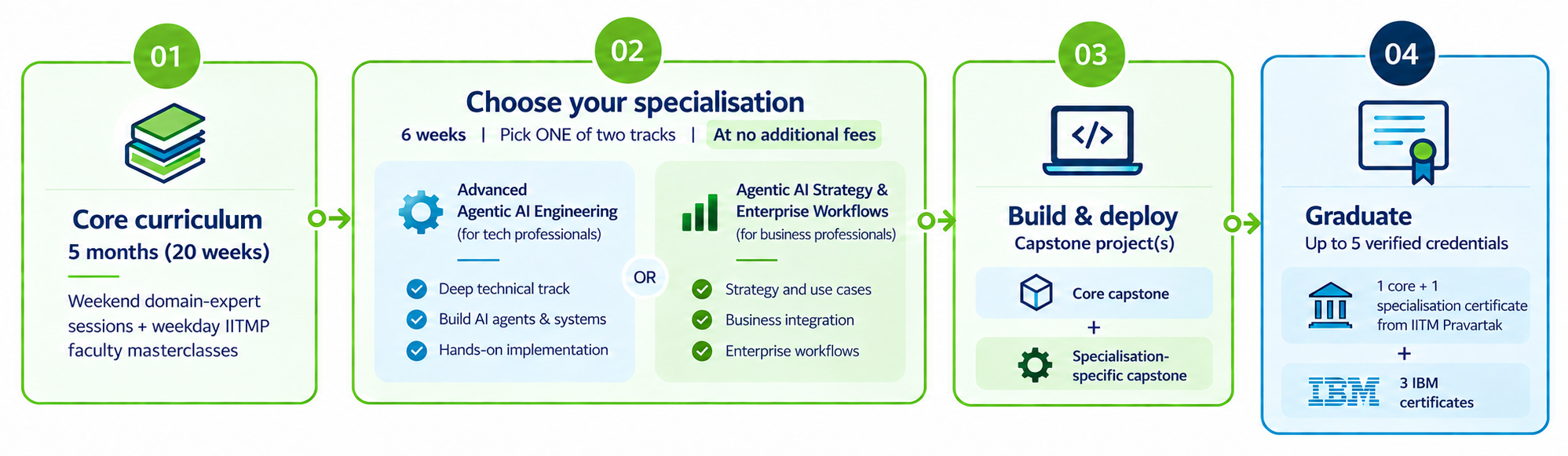
Two Distinct AI Career Pathways. Up to 5 Certifications.
*Note:
Faculty masterclasses are weekly live sessions led by IITM Pravartak lead faculty and offered in addition to the core curriculum. The masterclasses are conducted on weekdays, while the core curriculum is taught by domain experts on weekends.
Schedule for faculty masterclass will be shared post programme orientation.
Step Into the Future of AI with Agentic Intelligence
60%
2x
213,000+
What is this Agentic AI Course by IITM Pravartak About?
The Professional Certificate Programme in Agentic AI and Applications is a 5-month 6-Week certification course (programme fee: ₹1,40,000 + GST / AED 6234) by IITM Pravartak aimed towards building a strong foundation for practical agentic AI knowledge. Agentic AI allows machines to make independent decisions, execute multi-step goals, and adapt to real-world constraints. The Agentic AI and Applications course prepares you to:
Build goal-oriented agents using LangChain, CrewAI, AutoGen Studio, Langflow, and OpenAI
Master memory, retrieval (RAG), agent orchestration, evaluation, and production deployment
Specialise after the core — choose Advanced Agentic AI Engineering or Agentic AI Strategy & Enterprise Workflows for an additional 6 weeks, at no extra cost
Learn through hands-on projects and two capstone builds — one from the core curriculum, one from your specialisation
Train under an industry-aligned curriculum taught by Domain Experts in weekly live sessions
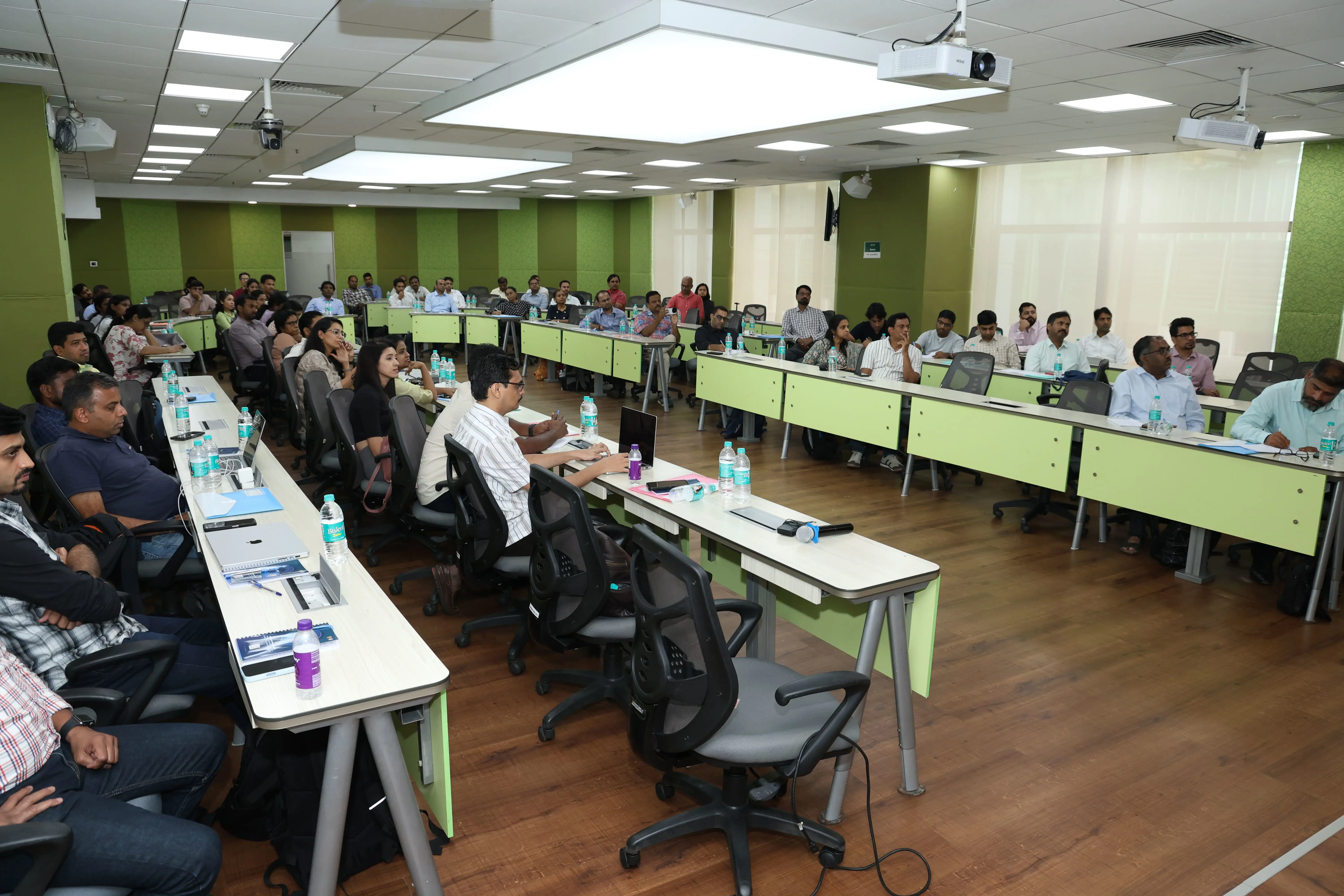
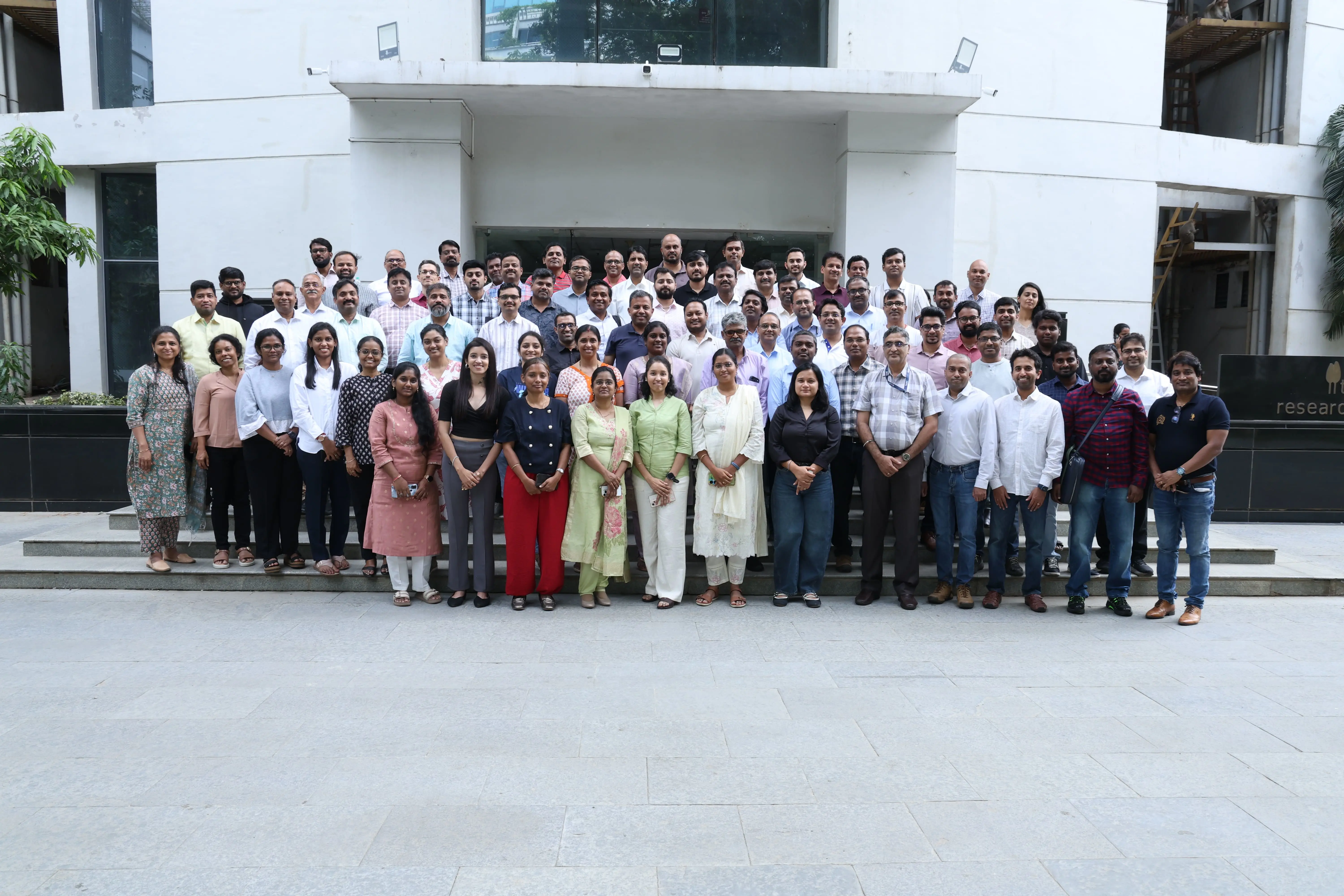
Get additional weekly live masterclasses from IITM Pravartak lead faculty — over and above the core modules — plus an optional campus immersion at IIT Madras Research Park
Designed for professionals who want to go beyond prompt-based models and build intelligent systems that act.
What are the Unique Highlights of this Agentic AI Certificate Course by IITM Pravartak?

Live Online Sessions by Domain Experts
Weekly domain expert-led sessions with hands-on walk-throughs of tools, techniques, and real-world applications

Choice of 6-Week Dual Track Specialisations
Choose from two agentic AI specialisations - technology or business pathway

IITM Pravartak Certification
A verified digital certificate upon successful programme completion

Weekly Live Faculty Masterclasses*
Learn directly from IITM Pravartak lead faculty in weekly live masterclasses, over and above the core curriculum

3 IBM Industry Certificates
Additional credentials in AI Agent Building, GenAI for Business, and Responsible AI

IITMP Certificate of Specialisation
A verified certificate for the choice of specialisation

30+ Tools and Frameworks
LangChain, ChromaDB, FAISS, Teachable Machine, and more

Dual Capstone Projects
Summarise your agentic AI learning via two capstone projects - core and specialisation each

IITM Research Park Immersion
Two-day campus immersion event at IIT Madras Research Park (Optional)

Career Services Support
Career preparation modules including, job strategy, resume and cover letter essentials, and more
*Note:
The entire core programme curriculum will be taught by Domain Experts.
Faculty masterclasses are weekly live sessions led by IITM Pravartak lead faculty and offered in addition to the core curriculum. The masterclasses are conducted on weekdays, while the core curriculum is taught by domain experts on weekends.
All programme highlights stated in this section and across the programme are subject to change at the discretion of IITM Pravartak and Emeritus.
Only participants who have successfully completed the programme will be allowed to visit the IITM Research Park.
Overall, 50% attendance required for live sessions to achieve programme completion. Live sessions include both domain expert sessions and lead faculty masterclasses.
Domain expert is the programme leader responsible for conducting weekly live sessions.
The immersion will only be conducted with a minimum number of learners signing up.
Schedule for faculty masterclass will be shared post programme orientation.
How this Programme Compares to Other Agentic AI Courses?
Professional Certificate Programme in Agentic AI and Applications | Other Outdated/Non-Accredited Technical Certificate Programmes | |
|---|---|---|
Duration and Learning Mode | 5-month programme with additional 6 weeks of specialisation and weekend live sessions by domain experts, plus weekly live faculty masterclasses on weekdays – perfect for working professionals | 2–3-month programmes that condense learning and teach using only pre-recorded lectures |
Course Specialisations | Choice of dual-track specialisations that runs for additional six weeks post the core curriculum: Advanced Agentic AI Engineering; and Agentic AI Strategies and Enterprise Workflows | Lack of specialisation options that make the courses generic and one-track |
Certification from a Top Ranked Institution | Prestigious certificate from IITM Pravartak and 3 IBM professional certifications | Certification from non-accredited or low ranked institutes and additional certifications are rarely offered or come with add-on costs |
Programme Success | Trusted and verified by 1500+ learners - a successful and tested programme | Most programmes are yet to start their first batch |
Depth of Curriculum | Hands on training with practical demos and key topics like multi-agent simulations and planning loops | Conceptual and theory-driven learning with introduction to some topics like embedding, agents, and context handling |
Advanced Tools and Frameworks | 30+ tools and frameworks taught for end-to-end for practical understanding | High-level automation tools (low-code) taught in the name of workflow-first approach, covering abstract concepts at a theoretical level |
Capstone and Projects | Comprehensive one week capstone project after 20+ graded projects during the course duration | 1-2-week capstone and 3-4 projects – lacking depth of practical learning |
Who can Benefit from this Applied Agentic AI Course?
This programme is ideal for professionals across technical, functional and product roles who are ready to build intelligent AI agents and take advantage of the next wave of automation and decision intelligence.
Specifically, this programme is ideal for:
Technology Professionals: Software Engineers, Developers, AI/ML Engineers, Data Engineers, and Technical Product Professionals who want to build and deploy Agentic AI systems, gaining the technical expertise to design, develop, integrate, and deploy AI agents and applications.
Digital and Business Professionals: Product Managers, Business Analysts, Consultants, Strategy Professionals, IT Professionals, and Analytics Professionals who want to apply Agentic AI to real-world use cases, building an understanding of agentic architectures and applying AI-powered workflows, automation, and applications across business and technology functions.
Business and Transformation Leaders: Business Leaders, Transformation Leaders, Operations Leaders, Functional Leaders, Technology Managers, and Strategy Professionals who want to understand Agentic AI architectures and drive AI-led business transformation, identifying high-impact use cases, evaluating AI solutions, and enabling Agentic AI adoption across their organisations.
This is a beginner-friendly programme— shared foundations of the core curriculum in which Python coding is taught in the early month for newcomers, while offering substantial depth for experienced professionals via the two specialisations (Advanced Agentic AI Engineering (The technology pathway); and Agentic AI Strategies and Enterprise Workflows (the enterprise business automation pathway).
Eligibility criteria for this programme:
Minimum Graduate (10+2+3) and diploma holders with a minimum of 5 years of work experience; basic math and programming knowledge preferred
Learner Reviews in a Snapshot for the IITM Pravartak Agentic AI and Applications Course
Professionals from technology, finance, product, consulting, architecture, academia, and business leadership domains describe the IITM Pravartak Agentic AI and Applications Programme as practical, future-focused, and highly relevant to the changing demands of the workplace. Participants come from leading organisations such as Amazon Web Services, Microsoft, IBM, JP Morgan Chase, Oracle, Synopsys, Tally, Paytm Money, Ford, and Fidelity, spanning roles from Software Engineers and Data Engineers to Product Managers, Senior Architects, Directors, and General Managers.
Learners consistently highlight the programme’s ability to move beyond basic prompting and provide a structured understanding of how Agentic AI systems are designed, deployed, and applied across industries.
Common Highlights
Strong industry relevance: Participants appreciate that the programme focuses on emerging Agentic AI concepts and frameworks that are already shaping enterprise AI adoption. Learners from software engineering, product, architecture, and business leadership roles describe the curriculum as highly aligned with the next wave of AI-driven transformation.
Practical and implementation-driven learning: Learners particularly value the programme’s hands-on approach, citing assignments, projects, and tool-based exercises as instrumental in helping them apply Agentic AI concepts within their organisations. Skills such as AI agent development, workflow automation, Retrieval-Augmented Generation (RAG), multi-agent systems, and AI deployment emerged as some of the most commonly acquired capabilities.
Comprehensive coverage of modern AI systems: Beyond core Agentic AI concepts, participants reported gaining expertise in areas such as AI product design, AI evaluation and optimisation, enterprise knowledge management, agent planning strategies, human-in-the-loop workflows, AI observability, and AI service orchestration. Many learners described the programme as an effective bridge between foundational AI knowledge and real-world implementation.
Designed for working professionals: The fully online format, combined with live sessions, practical exercises, and sufficient time for revision during the week, continues to be viewed as one of the programme’s biggest strengths. Participants across seniority levels—from software engineers to directors and business leaders—highlight the flexibility of balancing learning with full-time work.
Strong complement to evolving AI careers: Technical professionals, especially those in software, architecture, product, and engineering roles, describe the programme as highly relevant to the growing demand for Agentic AI capabilities. Several participants noted that the programme has helped them better understand how AI agents and autonomous systems can be integrated into products, workflows, and enterprise systems.
Career Outcomes and Professional Growth
Early career outcomes from the learner survey indicate promising professional impact:
More than half of surveyed learners expect the programme to contribute to salary growth and career advancement in the near future.
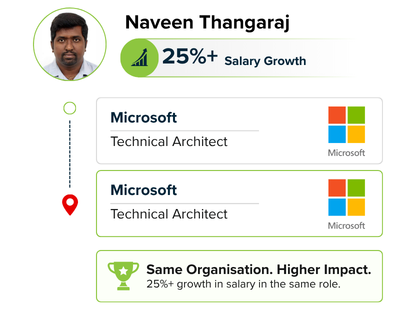
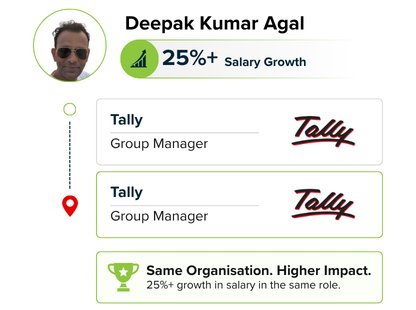
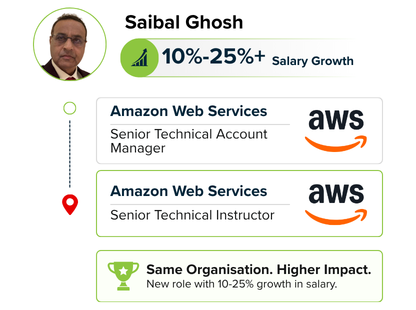
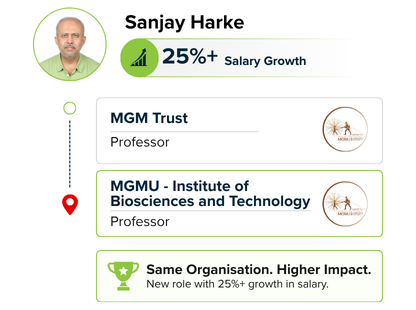
Several participants have already reported salary increases since beginning the programme, including significant increases of over 25%.
Learners attribute these outcomes to the programme’s focus on practical implementation, industry-relevant tools, and emerging Agentic AI skills that are increasingly valued by organisations.
Overall Sentiment
Learners consistently describe the programme as “practical”, “industry-relevant”, and “well-structured” for professionals seeking to stay ahead in a rapidly evolving AI landscape. Many credit the programme with helping them build confidence in areas such as AI agent development, workflow automation, and RAG systems, while also gaining a clearer understanding of how Agentic AI can create meaningful impact within their organisations and long-term careers.
What is the Review for IITM Pravartak Agentic AI and Applications Course? Are There Any Testimonials of Past Participants?



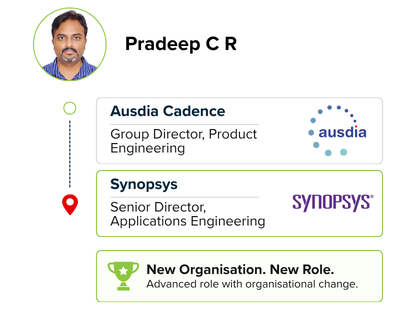
Does this Agentic AI Programme Have Any Success Stories?
Note:
All product and company names are trademarks or registered trademarks of their respective holders. Their use does not imply any affiliation with or endorsement by them.
Emeritus and IITM Pravartak make no promise or guarantee regarding placement or career transition. We do not offer any placement services or assurances in securing employment outcomes.
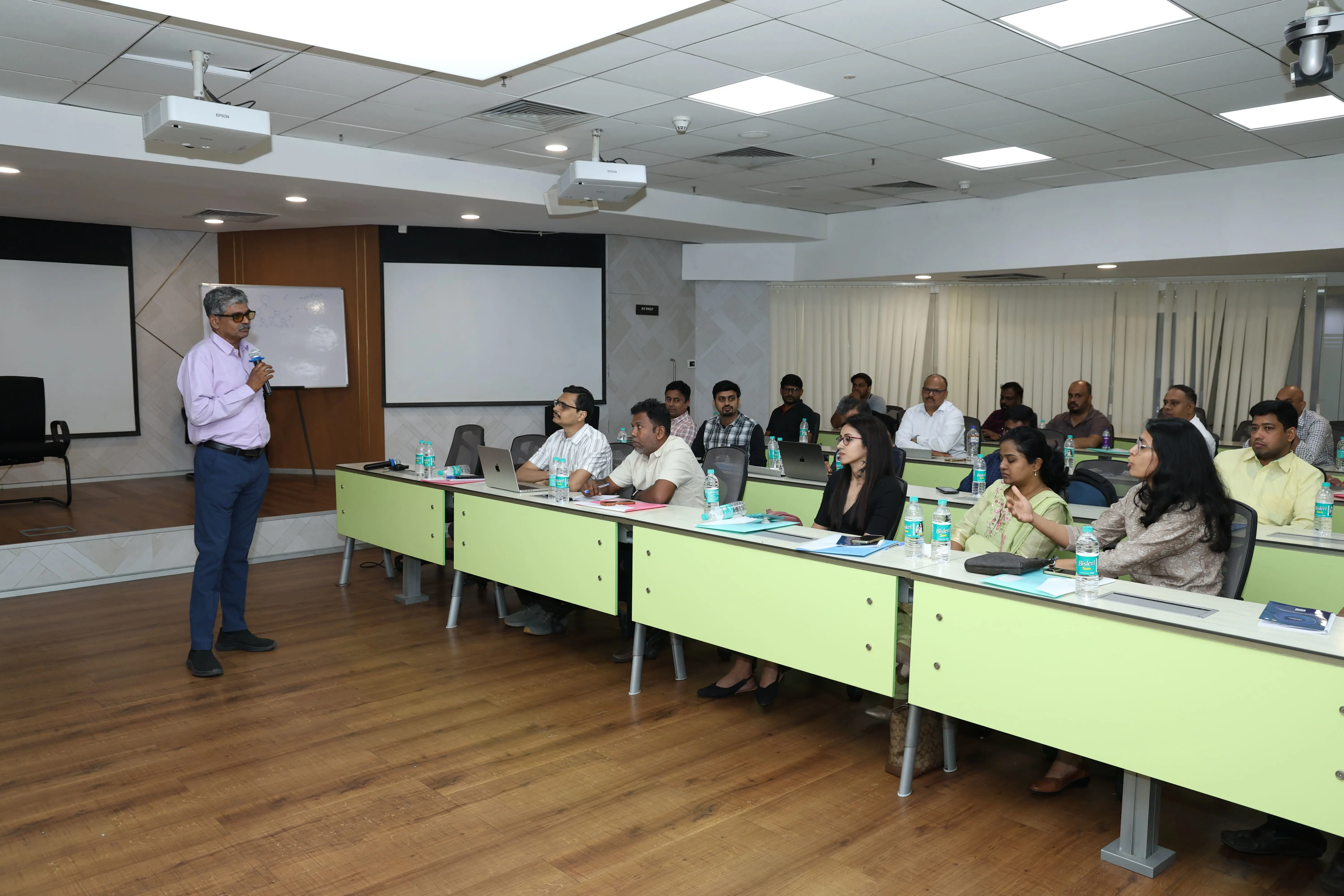
Engage in a Transformative Campus Immersion at IIT Madras Research Park


Apply Agentic AI an Advanced Curriculum by Domain Experts
Module 1: Python Programming Fundamentals
Setting up Python and your coding environment
Python syntax basics
Variables, data types and operators
If/else logic and loops
Writing your own functions
Working with files
Installing packages with pip
Skills:
Python basics
Functions
Packages
Programming logic
Files
Learning Outcome:
Build a foundation in Python to write simple programs, work with files, and use packages.
Module 2: Applied Python: APIs, Data and AI-Assisted Development
Organising code with modules and packages
How apps talk to each other
Reading and writing data
Analyzing data with Pandas
Working with CSV and Excel files, AI-assisted coding and debugging
Skills:
Python modules
Pandas
AI-assisted coding
APIs
CSV/Excel
Learning Outcome:
Use Python, APIs, and data tools to work with data and build simple application components.
Module 3: Fundamentals of AI, ML, and Generative AI
How AI has evolved over time
What machine learning is
What deep learning is
What foundation models are
What generative AI is
Where AI is used across industries
Using AI responsibly at work
Skills:
AI
Deep learning
Generative AI
ML
Foundation models
Learning Outcome:
Understand the fundamentals of AI, ML, deep learning, foundation models, and Generative AI and where they are applied.
Module 4: Modern AI Architecture and Generative AI Models
Evolution of neural networks and computational models
Activation functions and learning mechanisms
RNNs, LSTMs and GRUs for sequence modeling
GANs for generative AI
Autoencoders for representation learning
Transformers, foundation models and LLM architecture
Model Context Protocol (MCP) for tool integration and agentic AI systems
Skills:
Neural networks
Transformers
MCP
Deep learning architectures
Foundation models
Learning Outcome:
Understand key architectures behind modern AI and Generative AI models and how they support AI applications.
Module 5: How Large Language Models Work
How LLMs evolved
A plain-language look at transformer architecture
What tokens and tokenization are
What embeddings are
What a context window is
How models are trained, fine-tuned and used
How models call outside tools
Choosing the right model
Balancing cost and performance
Skills:
LLMs
Tokens
Context windows
Transformers
Embeddings
Model selection
Learning Outcome:
Understand how LLMs process information, generate responses, use context, and interact with external tools.
Module 6: Prompt Engineering: Getting the Best Out of AI
Core principles of good prompting
Zero-shot, one-shot and few-shot prompting explained
Writing effective system prompts
Chain-of-thought prompting
Building reusable prompt templates
Structuring prompts for consistency
Testing and improving your prompts
Skills:
Prompt design
Zero-shot
Few-shot prompting
System prompts
One-shot
Prompt testing
Learning Outcome:
Create and refine prompts to produce more useful and consistent AI outputs.
Module 7: Generative AI in Action
Generating text
Generating code
Generating images
Generating audio
Generating video
AI copilots
How enterprises use generative AI
Understanding limitations and hallucinations
Prompt templates introduction
Skills:
Text
Image
AI copilots
Code
Audio and video generation
Learning Outcome:
Explore common Generative AI applications and understand their capabilities and limitations.
Module 8: Embeddings and Vector Search: How AI Finds Relevant Information
What embeddings are
How AI measures similarity between pieces of text
Ways to measure “distance” between ideas
What vector databases are
A look at FAISS
Combining search methods (hybrid search)
Improving results (re-ranking)
Filtering by metadata
How enterprises architect search
Skills:
Embeddings
Vector databases
Hybrid search
Semantic similarity
FAISS
Reranking
Learning Outcome:
Understand how embeddings and vector search help AI applications find relevant information.
Module 9: RAG Fundamentals: Grounding AI in Your Own Data
Why AI needs retrieval-augmented generation (RAG)
How a RAG system is put together
Loading documents
Breaking documents into chunks
Building an embeddings pipeline
Retrieving relevant content
Generating grounded answers
The full RAG lifecycle
Skills:
RAG
Chunking
Retrieval
Document processing
Embeddings
Learning Outcome:
Understand and build the basic components of a RAG workflow to generate responses grounded in relevant data
Module 10: Introduction to Agentic AI
What an AI agent is
How an agent is structured
The agent lifecycle
How agents plan, remember, use tools and reason
Different types of AI agents
How enterprises use agents
Skills:
Agent concepts
Planning
Memory
Architectures
Reasoning
Tools
Learning Outcome:
Understand how AI agents are structured and how they use planning, reasoning, memory, and tools to perform tasks.
Module 11: Hands-On: Building Your First AI Agent
LangGraph basics
The building blocks – nodes and edges
Managing what an agent “remembers” mid-task (state)
Designing agent workflows
Keeping a human in the loop
Connecting tools to your agent
Tools:
LangGraph
Edges
Workflows
Human-in-the-loop
Nodes
State
Tools
Learning Outcome:
Build a simple AI agent workflow using an agent framework, tools, state, and human oversight.
Module 12: Designing Multi-Agent Systems
Why use multiple agents together
Common collaboration patterns
Supervisor agents
Planner-worker setups
How agents communicate
Delegating tasks between agents
Resolving conflicts
Orchestrating agents at enterprise scale
Skills:
Multi-agent architectures
Delegation
Collaboration
Orchestration
Learning Outcome:
Understand common multi-agent patterns and design workflows in which agents collaborate and delegate tasks.
Module 13: How Agents Think: Reasoning and Planning
The ReAct framework (reason + act)
Planning strategies for agents
Reflection – agents reviewing their own work
Tree of Thoughts and Graph of Thoughts approaches
How agents self-correct
A look at reasoning models
How enterprises apply these patterns
Tools:
ReAct
Reflection
Self-correction
Planning
Reasoning patterns
Learning Outcome:
Understand and apply common reasoning and planning approaches used in AI agent workflows.
Module 14: Agent Memory and the Model Context Protocol (MCP)
Short-term vs. long-term memory in agents
How agents remember a conversation
What MCP is and why it matters
A look at MCP architecture
Context engineering explained
Common memory design patterns
How enterprises manage agent memory
Tools:
Agent memory
MCP
Context engineering
Tool integration
Learning Outcome:
Understand how agents manage memory and context and how MCP enables interaction with external tools and systems.
Module 15: Making Agents Reliable: Evaluation and Guardrails
How to evaluate an agent's performance
Detecting hallucinations
Engineering for reliability
Setting up guardrails
Safety controls
Incorporating human feedback
Evaluating agents with LangSmith
Key evaluation metrics
Quality assurance at enterprise scale
Skills:
Agent evaluation
Tracing
Guardrails
Metrics
Hallucination detection
Learning Outcome:
Evaluate agent performance and apply basic guardrails and feedback approaches to improve reliability.
Module 16: Governance, Security and Responsible AI
What AI governance means
Principles of responsible AI
Understanding prompt injection attacks
Preventing data leakage
Privacy considerations
Compliance basics
Enterprise AI policies
Managing AI risk
Skills:
AI governance
Data leakage
Compliance
Prompt injection
Privacy
Risk
Learning Outcome:
Understand key risks associated with AI agents and the principles used to support secure and responsible AI use.
Module 17: Deploying and Monitoring AI Agents
Deploying agents with FastAPI
Publishing an API
Monitoring agent performance
Logging
Tracing with LangSmith
Optimising performance
Managing costs
Skills:
FastAPI
Logging
Monitoring
Cost
APIs
Tracing
Performance
Learning Outcome:
Understand common approaches for making AI agents accessible through APIs and monitoring their performance.
Module 18: From Build to Business: Deployment Walkthrough and Case Studies
Options for hosting agents (cloud, serverless, embedded)
A guided walkthrough of API deployment
Latency optimisation basics
Monitoring principles explained
A live demo publishing an endpoint with FastAPI/Swagger
Setting up Docker Desktop
Monitoring with tracing tools (OpenTelemetry, LangSmith)
An instructor-led deployment demo
Real-world case studies across industries
ROI of adopting agents
Success stories and lessons learned
Skills:
Deployment approaches
APIs
Tracing
ROI
Docker
Monitoring
Case studies
Learning Outcome:
Understand key considerations involved in taking an AI agent from a working application toward practical use and review real-world examples.
Module 19: Capstone: Build Your Own AI Agent
Project guidelines and a success checklist
Ready-made project templates (research assistant, Q&A bot, planning assistant, tutor, etc.)
A guided capstone build combining prompting, basic agent frameworks, RAG-based document Q&A, and at least one tool into one working assistant
Tips on deployment and UI wrapping
Project planning and peer idea reviews
Mentorship breakout rooms
Final presentations and feedback
Group reflection
Guidance choosing Track 1 or Track 2
Skills:
Problem definition
Prompting
Tools
Agent design
Learning Outcome:
Design and build a functional AI agent that brings together relevant techniques covered in the program to address a defined problem.
Note:
All programme curriculum - topics, modules, submodules, tools — stated here is subject to change as per the discretion of IITM Pravartak or Emeritus.
The entire programme curriculum will be taught by Domain Experts and will also include a few live exclusive masterclasses by IITM Pravartak Lead faculty.
What are the Two Agentic AI Specialisations in this Programme?
Specialisation 1: Advanced Agentic AI Engineering
Module S1.1: Advanced Agent Frameworks and MCP Deep Dive
Building solo with LangGraph as your primary framework
Hands-on comparison of CrewAI, OpenAI Agents SDK, and Google ADK
Building your own MCP server/client
Exposing tools via MCP
A deep dive into agent execution tracing and
debugging
Module S1.2: Advanced RAG and Retrieval Engineering
Hybrid search and re-ranking with cross-encoders
Query rewriting and HyDE
Context compression
Metadata filtering and
structured retrieval
Knowledge base optimisation
Chunking strategies
Evaluating RAG with RAGAS (faithfulness, context recall, answer relevancy)
Production RAG pipeline architecture
Performance optimisation
Building an end-to-end hybrid RAG system
Agentic, graph, corrective, self- and adaptive RAG
Enterprise RAG architecture
Module S1.3: Fine-Tuning and Model Customisation
Choosing between fine-tuning, RAG, and context engineering
Fine-tuning fundamentals
Efficient fine-tuning methods (LoRA, QLoRA)
Preparing a training dataset
Training setup with HuggingFace TRL/PEFT/Weights and
Biases
Evaluating results (BLEU, ROUGE, task-specific metrics)
Common failure modes
Hands-on: fine-tune LLaMA 3 or Mistral 7B with QLoRA
Synthetic data, distillation and
small language models
Stretch goal: vision-language models
Module S1.4: Production Deployment and Multi-Agent Systems
Containerizing an agent as a microservice with Docker
Serving APIs with FastAPI
Model serving concepts (batching, throughput vs. latency)
Stateful multi-agent orchestration with LangGraph
Production patterns (fault tolerance, retries, supervisor patterns, handoffs)
Observability (LangSmith tracing, logging, latency tracking)
Managing cost
MCP and A2A in production
Pydantic, OpenAI SDK, Google ADK
Module S1.5: Advanced Reliability, Security and Observability at Scale
Adversarial testing and red-teaming agents
Enterprise-grade guardrail systems
Compliance frameworks
Advanced tracing and
observability patterns
SLA and latency optimisation at scale
Applying the OWASP LLM Top 10 in depth
Aost management at scale
Module S1.6: Advanced Capstone: Production Multi-Agent and RAG System
Multi-agent orchestration with at least two agents in defined roles with handoff logic
A hybrid RAG pipeline (BM25 + vector, reranking, RAGAS report)
Containerized deployment with Docker + FastAPI, runnable from a clean GitHub clone
Safety and failure handling (fallback chain, output validation, failure logging)
A final evaluation report with RAGAS scores and latency benchmarks
Specialisation 2: Agentic AI Strategy and Enterprise Workflows
Module S2.1: Agentic Thinking: Designing Smarter Workflows
How LLMs differ from traditional rule-based systems
How AI agents make contextual decisions
Systems thinking for workflow design
Human-centered process design
Mapping the customer journey
Spotting where an agent could help (opportunity identification)
Breaking a workflow into steps
Common agent design patterns (sequential, planner-executor, supervisor)
Keeping a human in the loop
Service blueprinting
Defining KPIs
Guardrails and risk controls
Process mapping and business workflow transformation
Module S2.2: The Enterprise AI Agent Toolkit and Landscape
Automating workflows with no-code tools (n8n, Zapier, Make, Flowise)
Trigger-based automation
Connecting tools and APIs
Common business process automation patterns
How agent teams collaborate (hierarchical vs. peer-to-peer, manager-worker)
How humans and agents work together
Keeping context flowing across a workflow (shared memory and handoffs)
Designing workflows that scale
Hands-on builds: a lead-qualification workflow, a support-ticket triage workflow, and an approval workflow
Module S2.3: No-Code Agent Platforms and Enterprise Tools
Common categories of enterprise agents (research, meeting, document-intelligence, knowledge-assistant)
Approval and
escalation workflows
How humans and agents collaborate
Copilots for sales, marketing and
customer support
Connecting to ERP and CRM systems
Governance, access control, auditability and
compliance
Feeding an agent the right context at the right time
A look at enterprise platforms – Salesforce Agentforce, Microsoft Copilot Studio, AWS Bedrock Agents, Google Vertex AI Agents
Assessing automation readiness
Evaluating vendors
Build-vs-buy decisions
Choosing your enterprise AI stack
Module S2.4: Governance, Risk and Operating Models for AI Agents
Agent use cases across industries (business, education, healthcare, customer support, research) with a workflow-automation focus
ROI of adopting agents
Success stories and lessons from failures
The basics of calculating ROI
Case-study analysis and group discussion
Module S2.5: Case Studies, ROI and Vendor Strategy
AI guardrails and
risk controls, explained in business terms
Calculating ROI and building a business case
Designing an operating model
Setting up a governance framework
Assessing risk
Building an adoption roadmap
Human override mechanisms
Designing for human-in-the-loop
Module S2.6: Capstone: End-to-End Enterprise Agentic Workflow
Identifying a real business problem
Mapping the as-is and to-be journey
Analyzing where an agent could help
Designing a multi-agent workflow
Passing context and coordinating between agents
Building the workflow automation
Integrating with enterprise systems
Defining KPIs and success measures
Guardrails and
failure management
Human override mechanisms
Assessing business impact
Optimising for productivity and cost
Deploying the workflow
A full end-to-end demonstration
Note:
The primary specialisation will be offered post the 5 core months. Participants can choose one from either specialisation tracks at no additional cost.
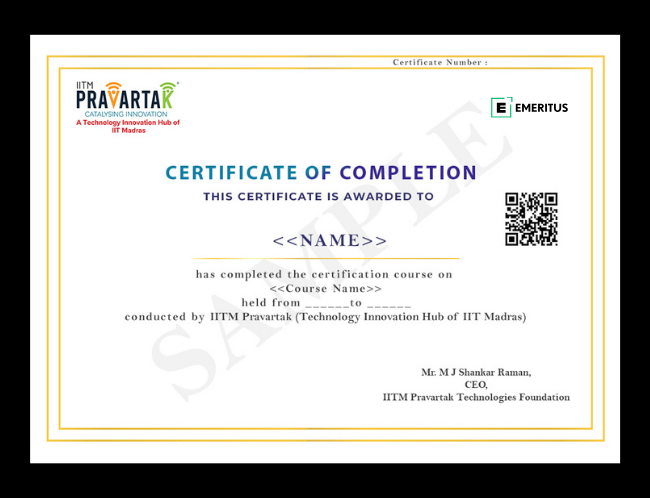
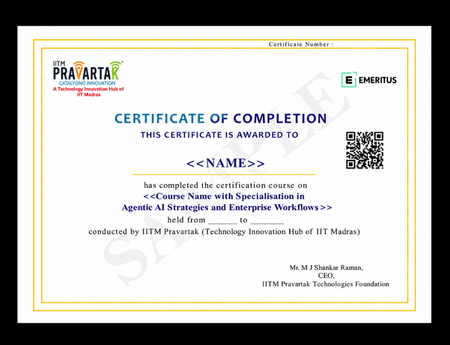
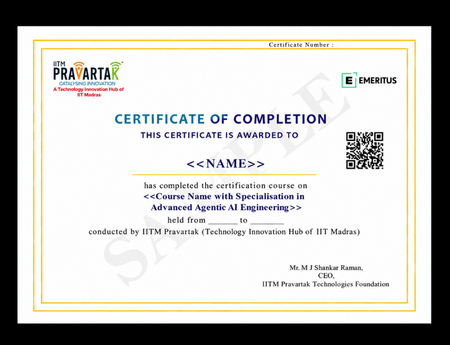
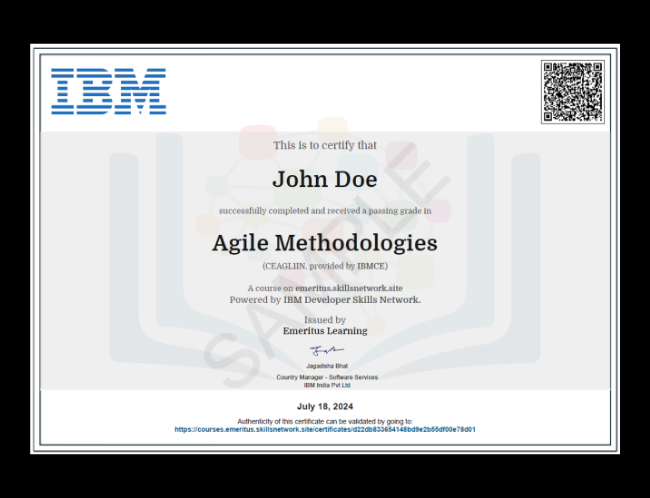
Agentic AI Certifications Offered by IITM Pravartak and IBM
Note:
All certificate images are for illustrative purposes only and may be subject to change at the discretion of, IITM Pravartak.
To receive the completion certificate, the participants must score a minimum of 70% in their exams and successfully complete the capstone project.
Overall, 50% attendance in both domain-expert led live sessions and live lead faculty masterclasses are required to achieve programme completion.
The programme offers up to five certifications - Core programme completion certificate + 1 specialisation certificate + 3 IBM certificates.
Upon successful completion of the core programme, the participant will be conferred with the programme completion certificate along with the IBM certifications. If the participant opts for a primary specialisation, then they will also be offered the respective specialisation certificate.
Which Tools Will Be Used to Apply Agentic AI Concepts?


Note:
Programme learning hours and tools are subject to change; updated details will be shared closer to the start date.
This is a reference list of tools and platforms. Some tools may be used directly in live sessions, while others may be shown for comparison, optional exploration, sprint work, or capstone planning. Since AI and automation tools evolve rapidly, the final choice of tools rests at the discretion of your domain expert.
All product and organisation names are trademarks or registered trademarks of their respective holders, and their use does not imply any affiliation with or endorsement by them.
Some tools may require local installation. If you are using a company-issued laptop, please ensure you have permission to install applications.
A personal laptop is recommended if your office device has restrictions on software installation, browser extensions, file access, or AI/development tools.
Tools that are not available through the Vocareum lab environment may need to be accessed separately using free subscriptions, trial accounts, or academic-use options, wherever available. Learners should use such tools only for learning, practice, and academic purposes.
Gain Credentials from IBM, a Pioneer in AI and ML Technology
Building AI Agents with RAG and LangChain
Course Introduction
RAG Framework
Prompt Engineering and LangChain
Responsible and Ethical Generative AI
Limitations and Ethical Issues of Generative AI
Social and Economic Impact and Responsible Generative AI
Generative AI for Business and Professionals
Generative AI in Business: Trends, Ideas, and Implementation
Generative AI: Impact and Opportunities for Career Growth
Note:
All programme curriculum stated here is subject to change as per the discretion of IITM Pravartak, Emeritus, or IBM.
20+ Agentic Projects for Application-Based Learning
Use ChatGPT to create a function to extract keywords from a sentence
Build a user-input based chatbot that gives greetings or advice based on age/gender input
Getting weather data in Python
Build a mini assistant that uses a calculator tool and returns a formatted response to “How many hours in X days?”
Identify 3 areas in your work/life where an AI agent can help
Use a visual tool to create a basic classifier (e.g., image or sentiment) and share insights
Build a basic tool-using agent (e.g., calculator or web search wrapper) using either code or visual builder
Compare how different prompts produce different results for the same task
Design a 2-agent team for a collaborative task (e.g., research + summarisation) with clear roles and interactions
Learn Agentic AI and its Applications with Masterclasses from Renowned IITM Pravartak Lead Faculty

Prof. Madhusudhanan Baskaran
Lead Faculty, IITM Pravartak
- Ph.D. Degree in Wireless Sensor Network with Artificial Intelligence from Anna University
- M.Tech. Degree in Computer Science and Engineering from M.Kumarasamy College OF E...
Explore the Latest Advances Shaping Agentic AI with 2 Live Agentic AI Frontier Masterclasses
Go beyond the curriculum with two live domain expert-led masterclasses focused on emerging AI technologies, trends and real-world applications shaping the future of Agentic AI.
Stay ahead of emerging AI trends and technologies beyond the curriculum
Explore the latest tools and approaches for building and applying Agentic AI
Understand new possibilities for AI-led transformation across technology and business
Learn from AI/ML experts through live, practitioner-led sessions
Note:
Masterclass topics will be finalised by the domain expert (program leader) and may evolve based on developments in the AI ecosystem.
Emeritus Career Services Benefits
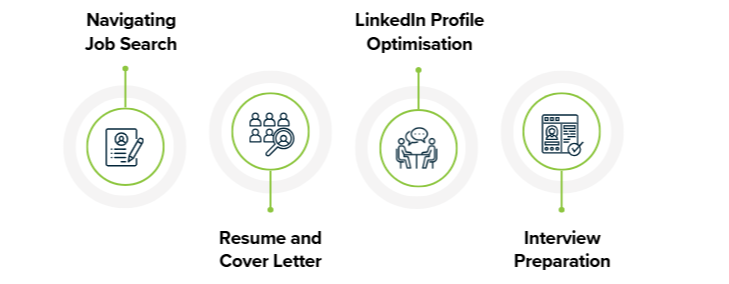
15 recorded sessions and resources in the above categories
Guidance on Job Search Navigation: Learn to maximise your chances of hiring by navigating the job search process efficienctly - with expert insights.
LinkedIn Profile Optimisation: Become visible to recruiters in your target company by analysing the gaps in your profile and optimising the for the right elements that employers want to see.
Career Preparation Modules: Explore dedicated preparation modules and resources that can help you present your core skillset to recruiters in a much more polished format.
Resume builder tool: Access smart resume and cover letter creation automation that intelligently brings together your newly acquired skills over the course duation and your career journey so far to craft a seamless, job-ready proposition for recruiter evaluation.
Notes:
IITM Pravartak or Emeritus do NOT promise or guarantee a job or progression in your current job. Career Services are only offered as a service that empowers you to manage your career proactively.
The Career Services mentioned here are offered by Emeritus. IITM Pravartak is NOT involved in any way and makes no commitments regarding the Career Services mentioned here.
This service is available only for Indian residents enrolled into selected Emeritus programmes.
Frequently Asked Questions About this Applied Agentic AI Certification
What is Agentic AI and how is it different from traditional artificial intelligence?
Agentic AI refers to systems that can autonomously reason, plan, act, and adapt over time. Unlike conventional AI that responds to static prompts, agentic systems use memory, tools, and goal-oriented behaviours to function independently making them a major evolution in the artificial intelligence landscape.
What tools will I learn in the IITM Pravartak Agentic AI and Applications course?
You will work hands-on with 30+ cutting-edge tools and frameworks in Agentic AI, including:
LangChain
CrewAI
AutoGen
Flowise
OpenAI APIs
ChromaDB
Hugging Face
Pinecone
Streamlit
These tools support the design and deployment of autonomous agents, vector-based search systems, and Retrieval-Augmented Generation (RAG) pipelines.
Is this Agentic AI and Applications course suitable for beginners?
Absolutely. This programme is designed for beginners, including non-coders and professionals from domains like finance, HR, marketing, and education. The curriculum begins with Python fundamentals and gradually builds toward advanced Agentic AI concepts, making it ideal for anyone looking to upskill in the most in-demand artificial intelligence and machine learning capabilities.
What are the career outcomes after completing this Agentic AI course?
Graduates will be equipped to take on roles such as:
AI Agent Developer
Prompt Engineer
Automation Strategist
AI Product Owner
LLM Application Specialist
With growing demand in domains like finance, customer support, legal tech, and education, Agentic AI opens doors to future-proof, high-growth careers.
How does this programme differ from other GenAI or LLM courses?
Unlike generic LLM or GenAI courses, this programme focuses on building intelligent agents that can autonomously use tools, store memory, retrieve documents, and interact through reasoning. You’ll learn how to implement agentic workflows using modular prompts, memory chains, and tool orchestration, which are not commonly covered in other short-term courses.
What kind of projects will I work on in this Agentic AI certification?
You’ll complete 20+ hands-on assignments and a final capstone project, where you’ll build your own deployable AI agent. Projects include creating document Q&A bots, itinerary planners, memory-enhanced assistants, and goal-based automation agents using LangChain, AutoGen, and Flowise.
Will I get a certificate from IITM Pravartak (technology innovation hub of IIT Madras) after completing the Agentic AI programme?
Upon successful completion, you will receive a Certificate of Completion from IITM Pravartak (the tech innovation hub of IIT Madras). Additionally, you will earn 3 IBM digital certifications, adding strong global credibility to your AI portfolio.
Which is the best agentic course for working professionals?
Choosing the best Agentic AI course for working professionals depends on your career goals, technical background, and how you plan to apply AI in real-world scenarios. Key factors to consider include the institution’s credibility, curriculum depth, hands-on learning with industry tools, and the ability to build and deploy real AI agents.
The Professional Certificate Programme in Agentic AI and Applications by IITM Pravartak is designed specifically for working professionals looking to move beyond basic AI usage and build autonomous AI systems. Delivered in a flexible 5-month online format, the programme focuses on practical implementation using tools such as LangChain, CrewAI, AutoGen, and Flowise.
Participants gain hands-on experience through 20+ assignments and a capstone project where they build a fully functional AI agent. The programme also includes domain expert-led sessions, select masterclasses, and three IBM certifications in AI Agent Building, Generative AI for Business, and Responsible AI.
This combination of structured learning, real-world application, and flexible delivery makes it a strong choice for professionals aiming to build practical Agentic AI skills while continuing to work. The programme also has a successful legacy of 1500+ learners with a 4.4/5 rating.
What is the salary of Agentic AI experts in India?
Salaries for Agentic AI professionals in India are seeing a significant rise as demand for AI agents, automation systems, and GenAI applications grows across industries.
Based on recent industry trends:
Prompt Engineers / LLM Specialists: ~35% to 45% salary increase
RAG Workflow Engineers: ~50% higher compensation
Agentic AI Developers (LangChain, AutoGen, etc.): ~60% salary growth
GenAI Project Contributors: Up to 2x faster promotion rates
AI-skilled professionals vs standard developers: ~30% higher pay
These roles are in high demand because organisations are moving from simple AI usage to building autonomous systems that can plan, reason, and execute tasks.
As more companies adopt Agentic AI for automation, decision-making, and workflow optimisation, professionals with hands-on experience in tools like LangChain, CrewAI, AutoGen, and RAG systems are commanding premium salaries.
This makes Agentic AI one of the fastest-growing and highest-paying skill areas in today’s AI landscape.
Is an Agentic AI course worth it?
An Agentic AI course can be a worthwhile investment for professionals who want to move beyond basic AI usage and build systems that can automate tasks, make decisions, and execute workflows. As organisations shift toward AI-driven operations, the ability to design and deploy AI agents is becoming a highly valuable skill.
A well-designed Agentic AI programme provides a strong foundation in areas such as AI agents, Retrieval-Augmented Generation (RAG), memory systems, and multi-agent workflows, along with the flexibility needed by working professionals.
The Professional Certificate Programme in Agentic AI and Applications by IITM Pravartak combines structured learning with practical implementation, making it relevant for professionals across technical, product, and business roles. With hands-on assignments, real-world projects, and a capstone where participants build a working AI agent, the programme focuses on application rather than just theory.
This balance of practical skills, industry-relevant tools, and flexible learning makes an Agentic AI course a valuable step for professionals looking to stay relevant and grow in an AI-driven workplace.
Is the Agentic AI and Applications course by IITM Pravartak worth it?
The Agentic AI course by IITM Pravartak offers strong value for professionals looking to move beyond basic AI usage and build real-world automation and decision-making systems. It is particularly relevant for those who want to work with AI agents, design intelligent workflows, or apply AI more effectively in their roles.
The Professional Certificate Programme in Agentic AI and Applications by IITM Pravartak is designed with a strong focus on practical implementation. It is delivered by experienced domain experts, with weekly live masterclasses from IITM Pravartak faculty (over and above the core curriculum), and covers key areas such as AI agents, multi-agent systems, Retrieval-Augmented Generation (RAG), memory, and agent deployment.
The programme has already seen 1500+ learners successfully enrol, reflecting strong demand for Agentic AI skills across industries. Its 5-month online format provides flexibility for working professionals, while hands-on assignments, real-world projects, and a capstone agent build ensure that learning is directly applicable to real scenarios.
Participants also earn a certificate from IITM Pravartak along with three IBM certifications, strengthening their industry credibility.
This combination of applied learning, proven learner trust, and industry-relevant tools makes it a valuable option for professionals aiming to build practical Agentic AI capabilities and advance their careers.
What are the benefits of an agentic ai and applications course?
An Agentic AI and Applications course helps professionals move beyond basic AI usage and learn how to build systems that can plan, reason, and execute tasks autonomously. As organisations increasingly adopt AI for automation and decision-making, these skills are becoming highly valuable across roles.
The Professional Certificate Programme in Agentic AI and Applications by IITM Pravartak is designed to deliver these benefits through hands-on, application-focused learning.
Key benefits include:
Ability to build AI agents that can automate multi-step workflows
Hands-on experience with tools like LangChain, CrewAI, AutoGen, and Flowise
Practical understanding of concepts like RAG, memory systems, and agent orchestration
Opportunity to develop real-world projects and a capstone AI agent
Industry-recognised credentials from IITM Pravartak and 3 IBM certifications
Flexibility to learn while continuing to work
With 1500+ learners already enrolled, the programme reflects strong demand for Agentic AI skills across industries.
Overall, an Agentic AI course equips you with the ability to design intelligent systems that improve efficiency, reduce manual effort, and deliver real business impact.
How do I choose the right Agentic AI course in 2026?
Choosing the right Agentic AI course in 2026 depends on how well it prepares you to build and deploy real AI agents-not just understand concepts. As demand grows, it’s important to focus on programmes that offer practical, hands-on learning aligned with industry needs.
Here are key factors to consider:
Hands-on learning: Look for courses that include assignments, projects, and a capstone where you build real AI agents
Relevant tools: Ensure exposure to tools like LangChain, CrewAI, AutoGen, Flowise, and RAG frameworks
Curriculum depth: The course should cover agent design, memory, planning, and multi-agent systems
Faculty & delivery: Programmes with domain expert-led sessions and structured guidance are more effective
Flexibility: A format that allows you to learn alongside work is important for consistency
Industry recognition: Certifications from reputed institutions and organisations add credibility
The Professional Certificate Programme in Agentic AI and Applications by IITM Pravartak aligns well with these criteria. It offers a 5-month structured learning journey, hands-on assignments, a capstone agent build, and certifications from IITM Pravartak along with three IBM credentials.
With 1500+ learners already enrolled, it reflects strong trust and relevance in the evolving Agentic AI space.
Choosing the right course ultimately comes down to one thing-how well it helps you apply AI in real-world scenarios, not just understand it.
Early registrations are encouraged. Seats fill up quickly!
Flexible payment options available.
Starts On